
Dyslexia assessment, exam access arrangements & specialist tuition in Surrey and Hampshire
Every child I work with is different. Some parents come to me with a long list of concerns that have built up over years. Others have a gut feeling that something is not quite right but are not sure where to start. Wherever you are in that journey, the right kind of specialist support can make an enormous difference.
Below is an overview of the services I offer. If you are unsure which is right for your child, please do get in touch. I am always happy to have an informal conversation before you commit to anything.
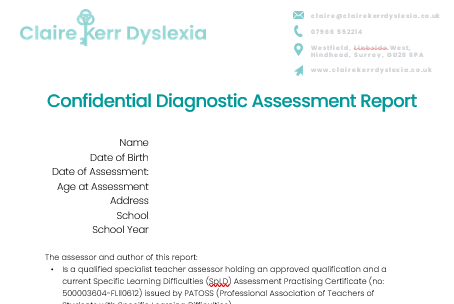
Full Diagnostic Dyslexia Assessment
Comprehensive, personalised assessments take 3-4 hours and are available for children and young adults aged 8 to 24.
Specialist diagnostic assessments identify both strengths and weaker areas that may need to be supported.

Exam Access Arrangements
These assessments provide supporting evidence for requests to allow adjustments to be put in place to enable pupils and students experiencing long term and persistent difficulties to access examinations.
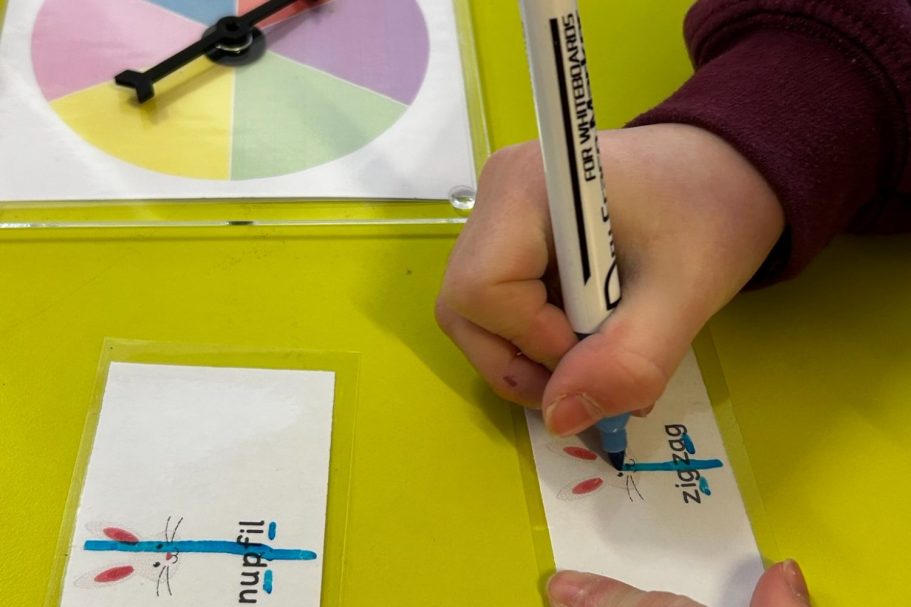
Specialist Dyslexia Tuition
By identifying your child's unique strengths, challenges and their learning preferences, specialist tuition is tailored to develop multi-sensory strategies which support individual difficulties with reading, writing and spelling skills.
Full diagnostic dyslexia assessment
A comprehensive diagnostic assessment is the clearest way to understand why your child is finding certain aspects of learning more difficult than their peers. It investigates the underlying causes of literacy difficulties, identifies areas of strength, and where appropriate, provides a formal diagnosis of dyslexia.
What does a full diagnostic dyslexia assessment involve?
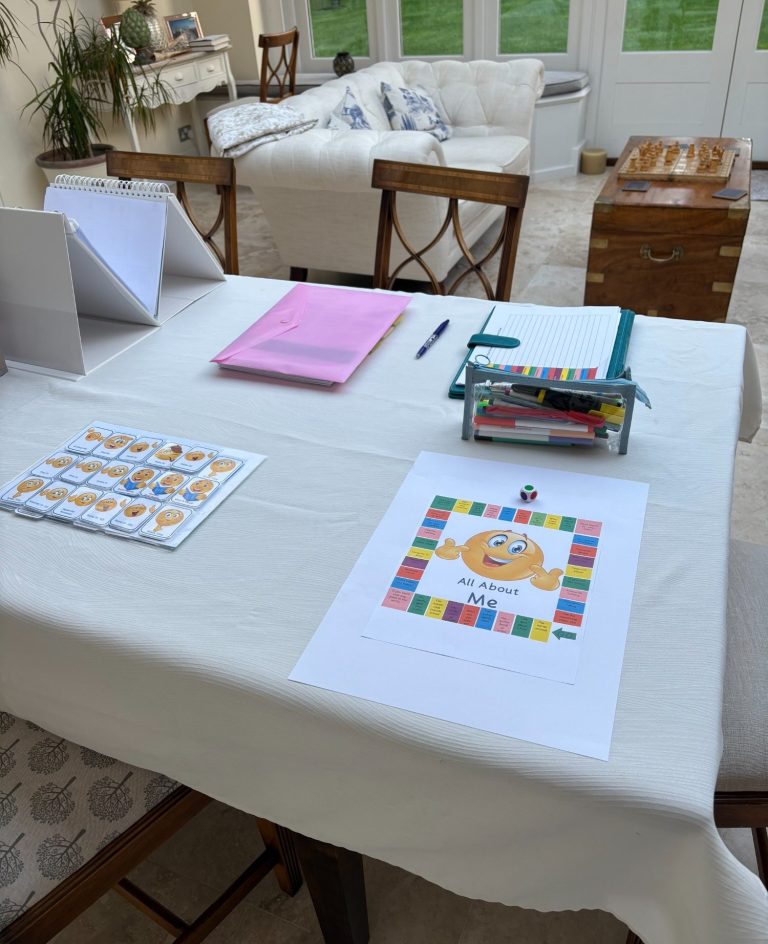
The assessment takes around three to four hours and is conducted in the calm, relaxed environment of the orangery at Claire's home. Claire uses a range of standardised tests to assess reading, spelling, phonological processing, working memory and processing speed. The session is paced to suit each child and is designed to feel as low-pressure as possible.
Assessments are available for children and young adults between the ages of 8 and 24.
What you receive following a dyslexia assessment with Claire Kerr
Following the assessment, Claire produces a detailed written report. This includes a full picture of your child's cognitive profile, a clear explanation of the findings, and personalised recommendations for support strategies at school and at home.
The report can be shared with your child's school and, where appropriate, used as evidence for:
- Exam access arrangements including extra time (requires school partnership)
- Specialist support at school
- Disabled Students' Allowance (DSA) applications for higher education
An optional 30-minute follow-up call is also included, giving you the opportunity to ask questions and talk through the recommendations once you have had time to read the report.
Claire understands that when you are worried about your child, waiting feels very hard. She aims to offer assessment appointments within a reasonable timeframe and to return completed reports promptly after the session. If your situation is time-sensitive (for example, if your child has upcoming examinations or you need a report for a school review meeting) please mention this when you get in touch and Claire will do her best to accommodate your timeline.
Investment for a full diagnostic dyslexia assessment
The full diagnostic assessment is priced at £595.
This includes the assessment session, the full written report and the optional follow-up call.
Claire understands this is a significant investment, and she approaches every assessment with the care and thoroughness it deserves. Parents consistently tell her that the report gave them the clarity they had been searching for for years.
Assessments for older students and young adults
Claire's assessments are available for young people and adults up to the age of 24, making them suitable for sixth form students, those in further education and university students.
For students in higher education, a diagnostic assessment report can be used as supporting evidence when applying for Disabled Students' Allowance (DSA). DSA can fund a range of support, including specialist equipment, study skills support and additional examination provisions. Claire is experienced in producing reports that meet the requirements of DSA applications and can advise on the process during the initial consultation.
If you are an adult who has long suspected you may be dyslexic, or a parent of a young adult preparing for university, please do get in touch. An assessment at any age can be life-changing.
Exam access arrangements
If your child is approaching GCSE or A-level examinations and their school has identified persistent difficulties with reading, writing or processing speed, an exam access arrangement assessment can identify supporting evidence to submit an application for access arrangements.
What are exam access arrangements?
Exam access arrangements are formal adjustments that allow students with long-term, persistent difficulties to access examinations on a level footing with their peers. The most common arrangement is extra time, though other adjustments such as a reader, a scribe or the use of a word processor may also be applicable.
How the exam access arrangement assessment works
The access arrangement assessment is shorter than a full diagnostic assessment and focuses specifically on the evidence required by the Joint Council for Qualifications (JCQ).
In collaboration with the school, Claire will assess the relevant areas and produce the documentation needed for the school's SENCo to support submission of an application.
Recommendations may include trialling specific strategies as a student's normal way of working before examinations begin, in line with JCQ requirements.

Specialist dyslexia tuition
A diagnosis is a beginning, not an end. Once you understand how your child learns, specialist tuition can help them build the skills and strategies they need to approach reading, writing and spelling with greater confidence and independence.
How tuition is tailored to your child
Claire begins by identifying each child's unique combination of strengths, challenges and preferred ways of learning. She uses a multi-sensory approach to teaching, which means engaging different learning pathways simultaneously rather than relying on the traditional methods that may not have worked for your child so far.
Tuition covers reading, spelling and writing skills at the primary level. For older students, sessions can also address organisation, revision techniques and study skills.
What does a block of tuition look like?
Tuition is offered in six-week blocks to ensure consistency and to allow new skills to be practised and consolidated between sessions. This structured approach means your child is building on what they have learned week by week, rather than starting from scratch each time.
Sessions take place in Hindhead, Surrey.

Not sure which service is right for your child?
A free, informal consultation gives you the chance to share your concerns, ask questions and get a clearer sense of what the right next step might look like.
There is no commitment and no pressure.
claire@clairekerrdyslexia.co.uk
Hindhead, Surrey
Battersea, London